
UN Opportunities and being a Youth Delegate on the International Stage
Sharon Wilson, Ōruawairua and ALP Alumni
It’s easy to see someone’s major success stories:
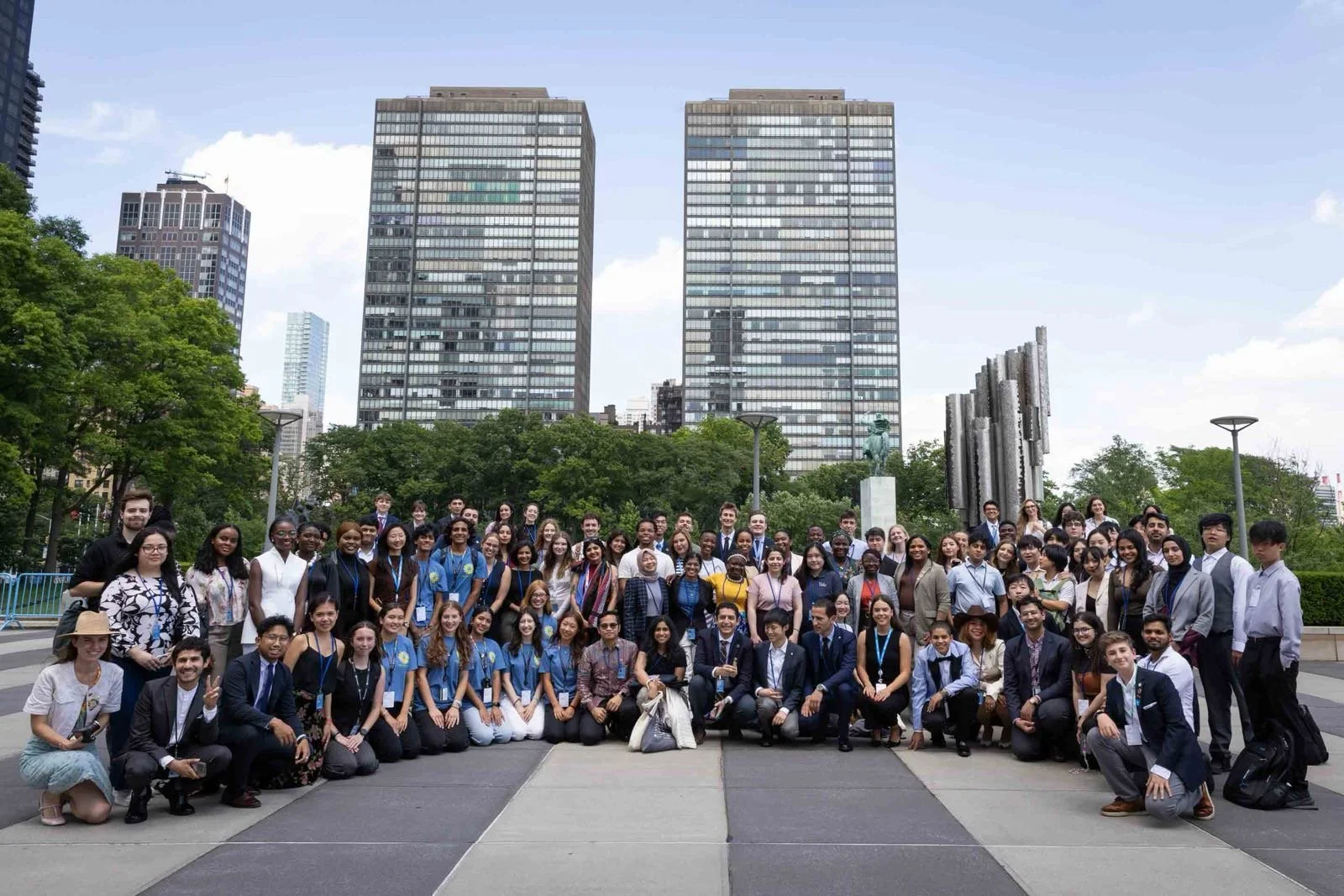
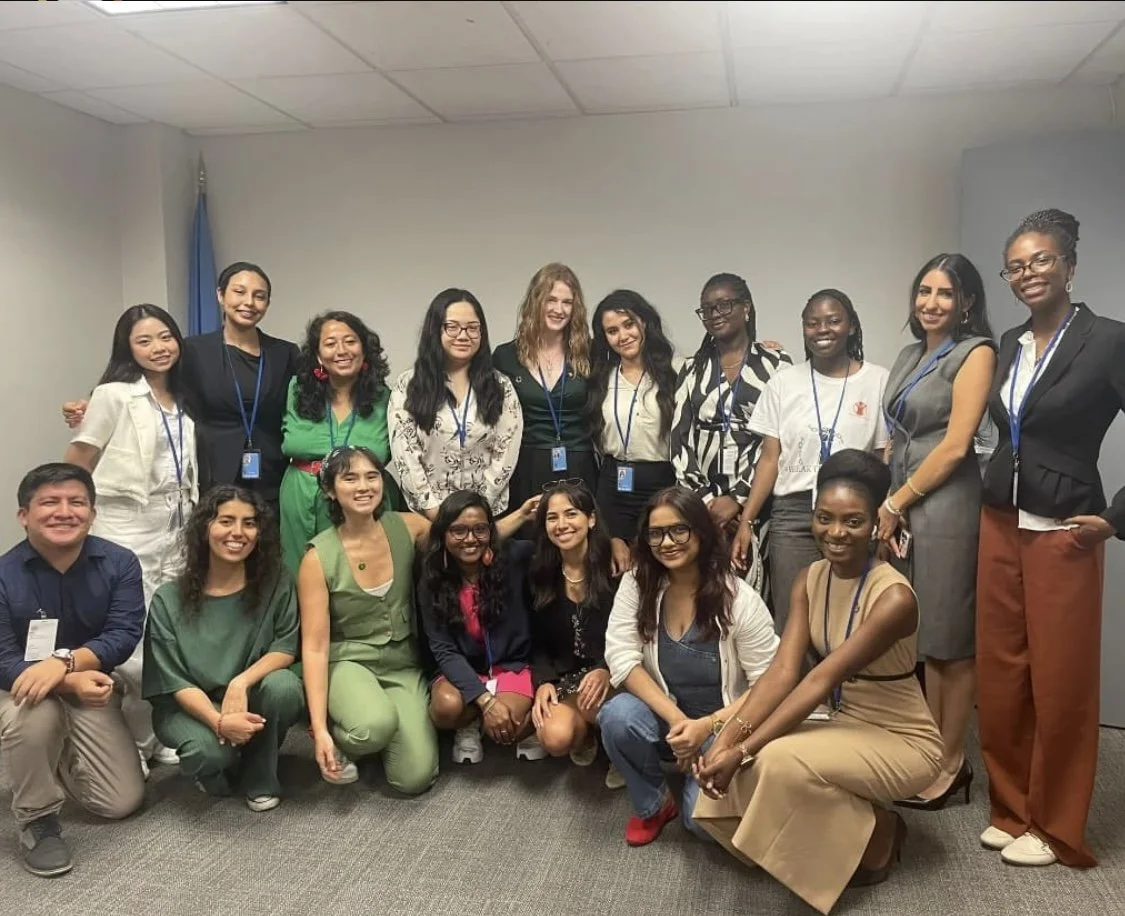
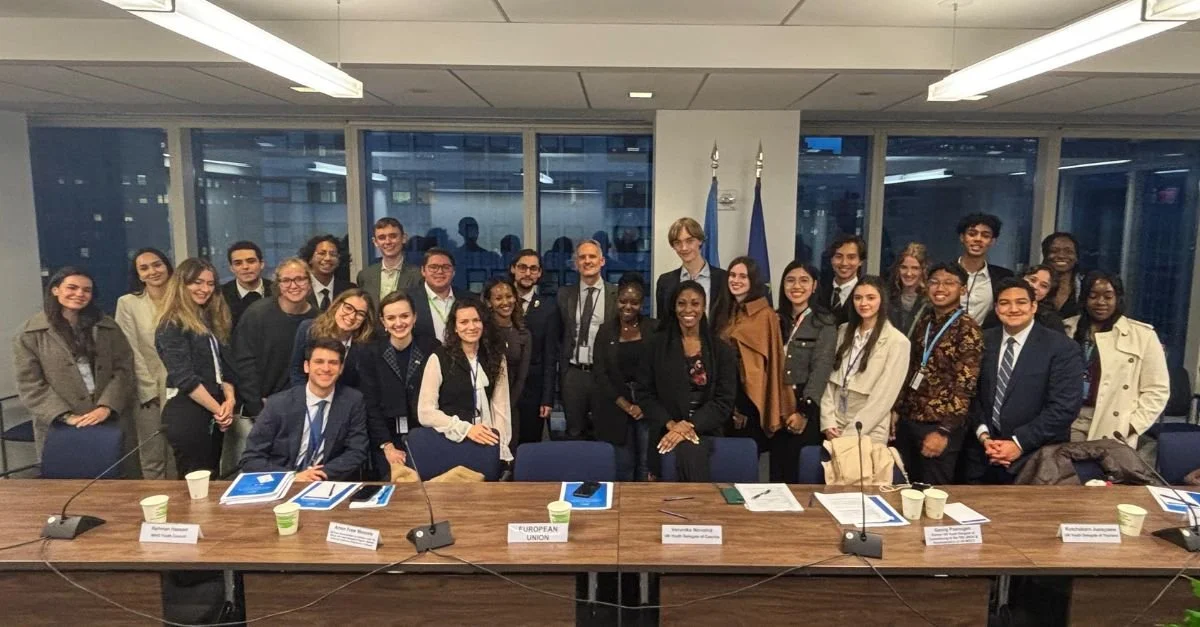
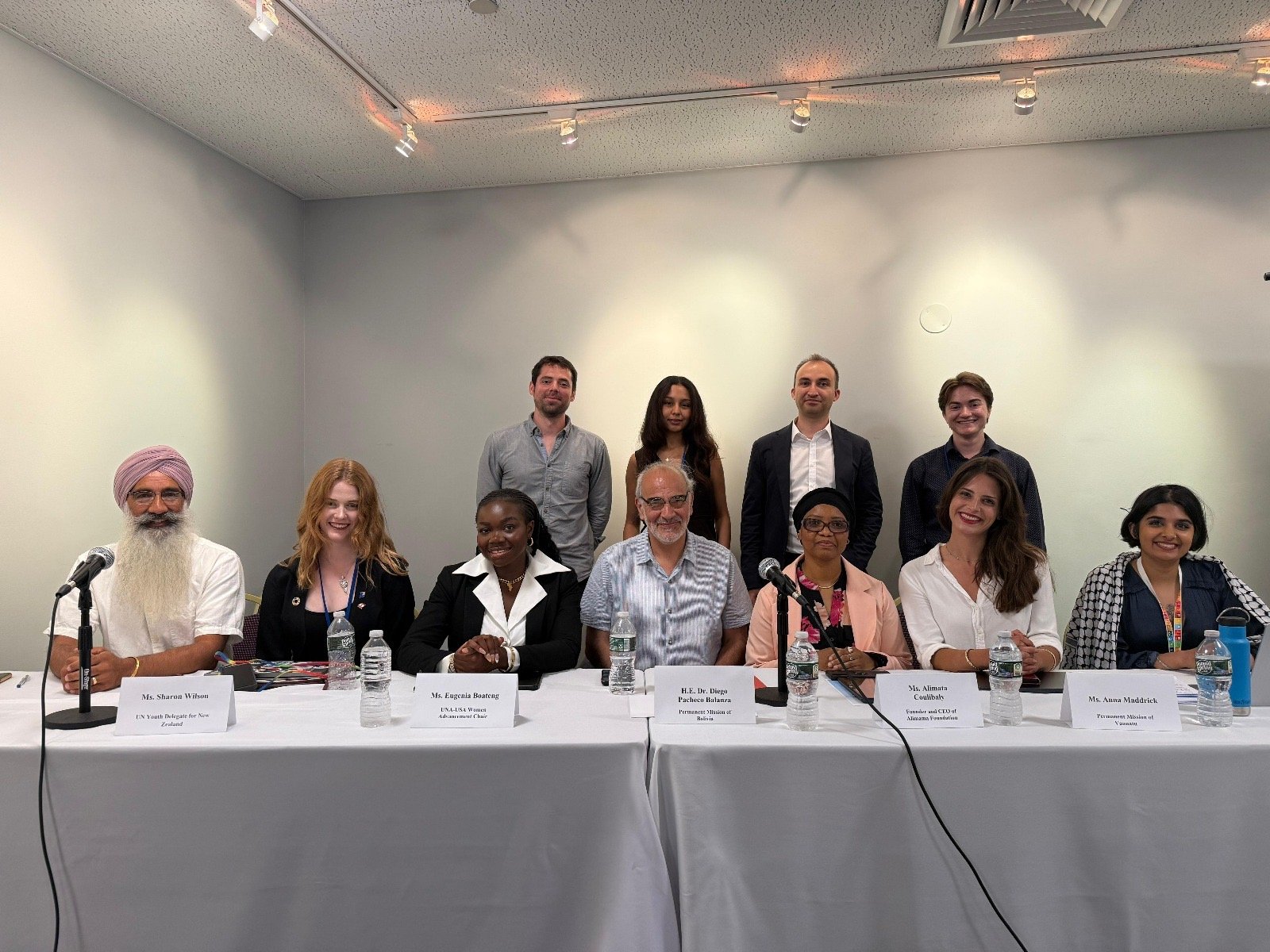
I’ve been honoured to be a speaker and delegate for the causes closest to my heart at the United Nations on multiple occasions (UN HLPF, UN ECOSOC Youth Forum, UN Young Leader’s Training Programme), as well as being invited often as only one among tens or hundreds to further high level conferences like UNOC3, COP30, Summit of the Future, 3rd BBNJ (High Seas Treaty) Preparatory Commission, and the Global Peace Chain Forum Paris.
But people don’t see the whole story behind them - the highs and lows that led me there.
I’d like to share some of my advice and stories from my work on the international level, so as to encourage other youth that there’s hope where it’s not inherently obvious in high level places, and that there’s a path for everyone should they so choose it.
I’m not a professional by any means, though I want to encourage people all the more because of it; everyone can make a difference.
So I re-enrolled blindly into a Political Science and International Relations degree a year and a half after dropping out, guided by my idealistic desire to make the world and environment a better place.
That path naturally pointed toward diplomacy, governance, embassies, and ideally, the UN, but after entering this field of work, for an organisation called the United Nations, nothing ever seems to be united or successful.
As youth, we see rooms dominated by privileged and usually older men, and a system that can be bureaucratic, outdated, and slow to act especially in uncertain times environmentally and politically like today.
That’s not wrong, but not entirely right either. Despite its flaws, we’d be lost without the UN and its subsidiaries (UNESCO, UNICEF, UNFCCC, etc) and the campaigns they drive such as the UN Ocean Decade, SDGs, etc.
A quote in the entrance to UNHQ reads, “The UN wasn’t created to take humanity to heaven, but to save humanity from hell.”
To me, the UN was never supposed to be perfect or made to create a utopian paradise on earth, but a symbol for a common humanity, and a platform to amplify voices that can’t amplify themselves.
Even with cracks, it’s built on fundamentally good and just values, and that’s something that can’t be replicated.
It’s not a space reserved for the people at the top of their game, nor should it be.
While it’s easy to look at the people there and believe they’re the only ones who make a difference - the diplomats, peace advocates, even the Secretary General - it helps me sometimes to remember that each of them were all born human just like all of us.
We’re all in this together, and while no one person can do everything, the collective action from each of us, whether big or small, makes a huge difference - young and old.
Youth have to their benefit too something career diplomats or politicians often don’t: passion and a burning desire to make change come hell or high water. Youth have the courage to speak up for causes they’re passionate about - the oceans, education, gender equality, peace and strong institutions, etc - because we aren’t going to let the future be determined by those who won’t be around to see it.
I think there’s also a misguided impression that being at the UN requires the height of professionalism - but professionalism shouldn’t be mistaken for performativity.
In saying that, there have been times of vulnerability that contradict the image I feel obligated to present - how can I be a put together youth delegate amongst government officials and ministers of the highest degree, and yet allow the reality of some of these situations, the busyness of the schedules, and my imposter syndrome to exist simultaneously?
The UN deals with real problems, real concerns, fears, real hopes, and real people - to be there and to be moved to the extent of tears for example, shouldn’t be looked down upon due to hall etiquette.
I’ve learned that both of these things can be true, and it's managed through being authentic and staying true to yourself - all the different facets to a person and personality: where you’re from, your culture, traditions, beliefs, etc.
There’s a million buzz words that get thrown around, recycled from speech to speech, and while they’re important, we need to let our humanness lead - the UN is about “we the peoples”, not we the emotionless robots.
During conferences or events, youth show that we are not just future leaders, but current transformative changemakers, and that by being included within each stage of the process we’re able to grow alongside the solutions talked about today, so we can learn how to adapt them to our tomorrow.
Another strength we have as youth, is that we’re able to transfer our impact beyond the conference halls to empowering others back home.
Whether that’s advocacy campaigns, fundraising, by youth for youth grassroots organisations, or community circles - sharing our stories and experiences to raise awareness and support for causes close to our hearts even through multimedia content such as film or photography or social media fosters a sense of belonging, togetherness, and hope for our future that truly embodies the unity the UN stands for.
Advice:
Getting to these places doesn’t happen overnight.
Failures are a part of the journey - they’re almost necessary when you live a reality that revolves around and is built off what a good friend once referred to as heart-based work.
Heart based work, or work that comes from a deep set passion and purpose we carry, is both a fuel and motivation, but it can become the opposite if it’s not managed or balanced.
It’s demoralising to send out applications to dream jobs only to be rejected or to have a project fall through, because it feels like you’re losing a part of you - we give ourselves to the causes we care the most about, and sometimes, that urgency to fix everything - the fear that we’re not doing enough - becomes a detriment. We cannot sacrifice our wellbeing in pursuit of the immediately unattainable. Real progress happens collectively, and over time, not through burnout.
Once upon a time I applied for everything under the sun and would spend so many nights pouring my heart into applications or selling myself for opportunities I wasn’t even sure I wanted, because I saw it as my only way to make a difference or feel successful in my field.
It was only after I was forced to take the time off because my mental health simply couldn’t handle it, that I was able to rediscover the heart behind my work, to know why I was doing what I was doing.
Mental wellbeing informs our capacity to lead, to advocate, to contribute so it’s important we count ourselves as part of the bigger picture. Sustainability for example, is not only about sustaining our ecosystems, it is also about sustaining ourselves.
For me, that was to pause and find solace back out being in and around the ocean.
Being back in the environment and being part of local efforts for the environment that I spend so much effort advocating for reignited the desire to start projects, search for further opportunities, and enjoy the whole process of doing, even if that meant starting from scratch or changing route.
There’s no shame in having to try again, as long as you do try again.
Every successful person understands the gamble that is betting on themselves - sometimes you fail, but true success comes when you refuse to settle for anything other than your best case scenario, no matter how unconventional, uncertain, or long the road might look.
I think of it as preparing for the worst but hoping for the best. It sounds a bit pessimistic, but I think it’s sustainable and gives you an unconditional love for your work if you’re able to accept failures and say you’re going to continue with it anyways.
That’s heart work.
This counts just as much for my own hopes for the future, my belief that there’s still good in the world and it’s worth fighting for, as it does my career path.
I personally love the idea of Amor Fati; the love of fate.
That’s not to say I credit the universe for the times I’ve spoken at the UN or the achievements I’m most proud of - don’t get me wrong, the right timing, money, and luck are huge parts of the journey but it's determination and drive that ultimately sees it through.
I understand it rather as an acceptance of everything that comes your way, the good and the bad, but to just keep going. It’s a hope that things will eventually turn out, and that sometimes things do work out better than you could’ve imagined.
Last year, for example, I was gutted that I couldn’t get funding for COP30 in Brazil despite being accepted onto the NZ Delegation, but around the same time, I was accepted into an externship with Ocean Uprise/Parley for the Oceans.
Instead of contributing to high-level climate dialogues at COP, we focused on how those translate into action in our own communities - the difference we can make for the oceans right where we are.
Through the externship I was welcomed into a community with some of the most inspiring and lovely ocean advocates I’ve ever had the pleasure of meeting, as well as forming the foundations for a campaign and long term project that I am now working on.
I would never have gotten to this point should I have made it to COP.
These days I’m able to let go, and through clenched teeth sometimes, accept it’s okay to say no and turn down opportunities I know aren’t for me, and give my all to the ones that are.
And my final piece of advice -
You’re never late.
I’ve had the honour of meeting and working with some incredible people over the years, though ‘you’re never late’ was something Zandile Ndhlovu - an amazing writer, diver, photographer, and ocean guardian said once.
That even if you only figure out your passion years, or decades later, you’re not competing with anyone else - you’re on your own journey.
Tips for starting:
Apply for and take opportunities - just go for it and you never know what might come up.
Stay grounded and know your why; let that lead. Don’t get caught up in comparison to other people or stuck in a single place. Be confident!
Start locally with NGOs or organisations in your area of interest; they often open doors and provide a support network. Some of my most fulfilling projects and experiences have come from being a part of programmes locally, such as the Oruawairua programme with UWF, with local Envirohubs, Forest and Bird Youth, or Blue Cradle, and still are.
Make the most out of social media and the internet - follow pages related to your passions or opportunities pages, network with people - ask them questions, join webinars and take courses. The more you look for, the more you find and the more doors will begin to open.
Often keeping an eye out on networks like UN MGCY socials and the UN Youth Office newsletters brings the most exposure to youth events like the ECOSOC Youth Forum and further accreditation to the UN HLPF or similar.
These routes are never linear and there’s no one final destination - it’s all up to you the direction you want to take, and the beauty of these spaces is that there’s truly something for everyone.
Sharon Wilson is a soon to be graduate of a Bachelor of Arts degree majoring in Political Science and International Relations, minoring in History, as well as an international advocate for marine and ocean conservation, its intersection with mental health, and how that manifests into climate anxiety, but more importantly we are able to transform these feelings into empowerment through cross cultural and community driven ocean stewardship and action. She’s passionate about improving our human-ocean relationship, and advocating for how bringing storytelling, culture and indigenous values like Kaitiakitanga, or guardianship into ocean conservation can foster a reciprocal relationship where saving our oceans saves us in return; ocean health is human health, and she believes that out of a joy and love for our oceans the most sustainable change happens, which builds resilience and helps achieve wider SDGs. Whether that’s our mental health and wellbeing - the concept of a blue mind - or in environmental peace building, recognising how the ocean connects us all can break down barriers like colonisation, social injustice, and gender inequalities.